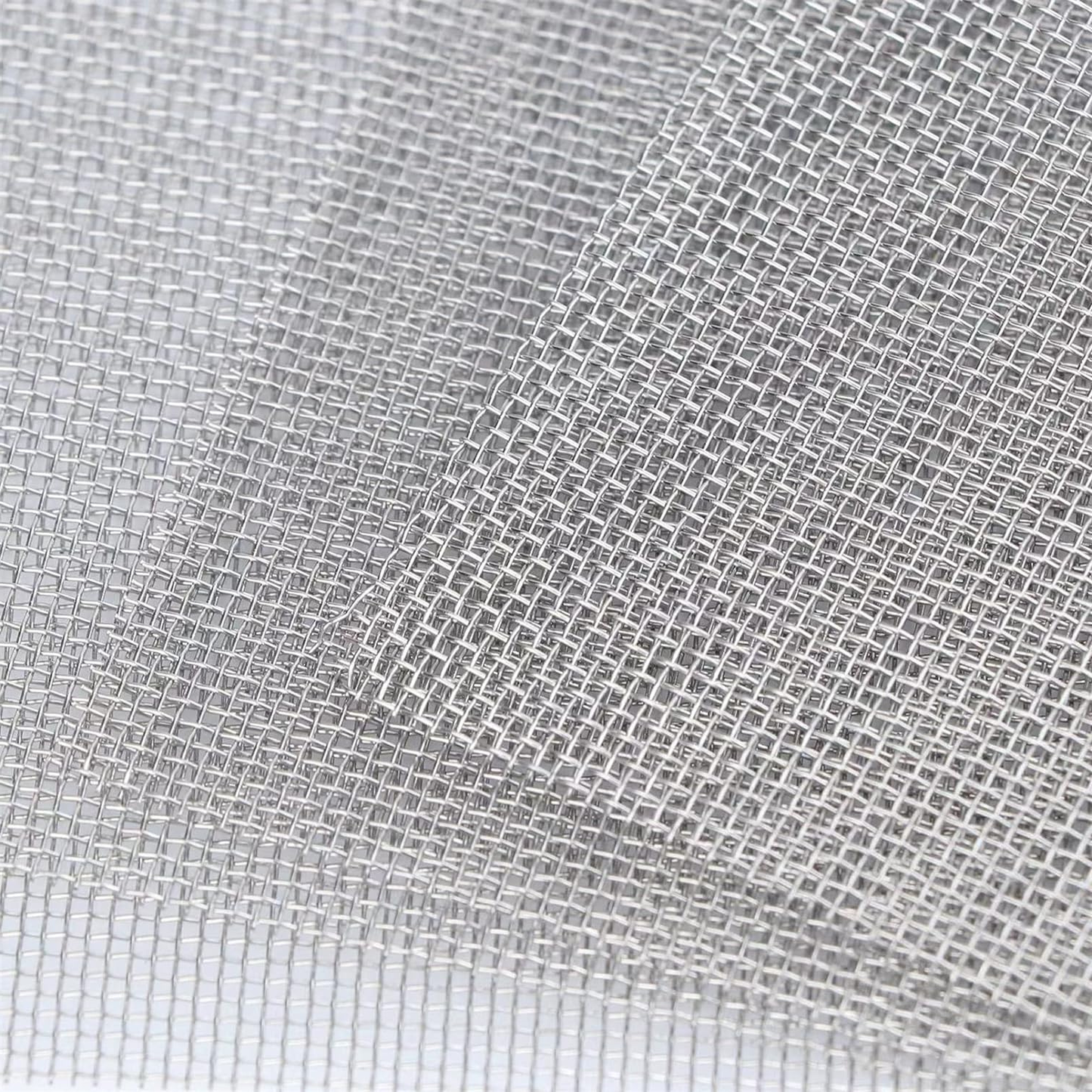
Stainless Steel Mesh Sheets for Beehive Bottom Boards (5/10/20/50 Pack)
Stainless Steel Mesh Sheets for Beehive Bottom Boards (5/10/20/50 Pack)
Couldn't load pickup availability
304 stainless steel mesh sheets for screened bottom boards and inner covers
These woven stainless steel wire mesh panels are the building block for any DIY ventilated beehive base or inner cover. Made from 304 stainless steel — the same food-grade alloy used in commercial honey extraction equipment — they're weatherproof, won't rust, and last for decades of seasonal use.
Screened bottom boards: a cornerstone of integrated pest management
Replacing a solid bottom board with a screened version is one of the simplest and most effective IPM changes you can make. Mites that fall off the bees during normal grooming pass through the mesh and out of the hive — they can't climb back up. Combined with brood breaks and periodic monitoring, screened bottoms reduce varroa loads without chemicals.
Specifications
- Material: 304 grade stainless steel, woven wire mesh
- Sheet size: 19½" × 15³⁄₁₆" (49.5 × 38.5 cm)
- Wire thickness: ~1/25" (0.99 mm)
- Hole aperture: ~1/8" (3.5 mm) — too small for bees to pass through, large enough for mites and debris to fall out
- Quantity options: Packs of 5, 10, 20, or 50
- Per-sheet cost: From $6.00 in the 5-pack
What you can build with it
- Screened bottom boards for any standard 8- or 10-frame Langstroth hive
- Ventilated inner covers for hot summer months
- Varroa monitoring trays with a sticky board underneath
- Mouse-proof entrance reducers for winter
- Robber screens during late-season nectar gaps
Why 304 stainless steel
Galvanized or zinc-coated mesh corrodes in 1–3 seasons under hive humidity. Aluminum dents. Plain steel rusts immediately. 304 stainless is the only common mesh material that survives years of contact with honey, propolis and condensation without degrading. Spend once, use it for the life of the hive.
Prefer fully assembled bottom boards?
If you'd rather skip the DIY build, see our assembled screened bottom boards — ready to drop straight onto a standard Langstroth hive.
Frequently asked questions
Will bees fit through the mesh? No. The ~1/8" aperture is too small for honey bees to pass through. The mesh contains the colony while letting debris, hive beetles and mites fall out.
Is 304 stainless food-safe? Yes. 304 is the standard food-grade stainless used in commercial honey extraction equipment, brewery hardware and kitchen sinks. It won't leach into honey or propolis.
What size hive does this fit? The sheets are 19½" × 15³⁄₁₆" — large enough to cut to fit any standard 8-frame or 10-frame Langstroth bottom board. For 8-frame hives you'll have offcuts left over for inner covers or monitoring trays.
Can I cut the mesh at home? Yes. Use heavy-duty tin snips or aviation snips. Wear leather gloves — the cut edges are sharp until they're framed or filed smooth.
Do screened bottom boards really help with varroa? On their own, screened bottom boards reduce mite loads by an estimated 10–30% — not a complete solution, but a meaningful one. Most beekeepers combine them with periodic mite washes and treatments as part of an integrated pest management plan.
Will a screened bottom make the hive too cold in winter? In most US climates, no. Bees self-regulate cluster temperature, and the open screen actually improves moisture control — moisture kills more colonies than cold. In severe winter regions, you can slide a solid board under the screen seasonally.